Outlet Installation Orange County: GFCI, USB, and More
Walk into any home or business and you can read the electrical work like a story. Outlets show the era, the care, and the priorities of whoever maintained the place. In Orange County, that story often includes coastal air, older additions, and a healthy mix of new tech and classic California construction. When clients call for outlet installation, they rarely just want another place to plug things in. They want safe kitchens, convenient charging, tidy home offices, backyard lighting that survives the marine layer, and wiring that plays well with EV chargers and modern appliances.
I have installed thousands of receptacles throughout Orange County. The most successful projects start with a plan tied to how spaces are used, not just where studs land. Whether you manage a small retail space in Santa Ana, a rental in Fullerton, or a family home in Mission Viejo, the right outlet mix will save you from nuisance trips, chewed cords, and avoidable hazards.
What the code expects here, and why that matters
California jurisdictions generally enforce the California Electrical Code that tracks closely with the National Electrical Code, with local amendments by city or county. Orange County cities adopt on slightly different calendars, so the exact edition in force can vary by jurisdiction and permit date. The spirit stays consistent. Life safety first, then durability, then usability. If your last remodel predates about 2011, odds are good your receptacles do not meet today’s GFCI and AFCI coverage, tamper resistance in living spaces, or weather resistance outdoors.
Two points drive most outlet decisions:
- People and water do not mix well with electricity. Bathrooms, kitchens, laundry, garages, and the outdoors need ground fault protection.
- Modern electronics and motors hit circuits harder than older loads. Dedicated circuits and arc fault protection keep nuisance tripping and fire risk in check.
Good Orange County electricians know the code and the climate. Salt air in Huntington Beach chews open cover plates and corroded screws faster than inland neighborhoods. Stucco brings its own challenges for box depth and secure mounting. Older tracts in Anaheim and Garden Grove often have mixed wiring methods and fewer spare spaces in the panel. Every one of these details affects which outlet you pick, which box it lives in, and how you run the circuit.
GFCI where it counts
A Ground-Fault Circuit Interrupter watches current flowing out and back. If even a few milliamps go missing, the device trips in a fraction of a second. That saves lives. You only need the first device on the run to be GFCI, but every downstream outlet on that load side must be correctly identified and wired.
Here are the common places clients ask about. This list matches what inspectors around Orange County look for most often.
- Bathrooms - GFCI required for all receptacles
- Kitchens - GFCI for all countertop receptacles and any within 6 feet of a sink
- Garages, unfinished basements, and laundry areas - GFCI required
- Outdoor outlets - GFCI and weather resistant, with in-use covers
Clients sometimes push back on the look of a GFCI in a tile backsplash, or they want the convenience of a standard duplex. Two good options exist. First, a GFCI breaker in the panel protects the entire circuit and lets you use regular receptacles on the run. Second, you can hide a single GFCI upstream in a pantry or cabinet, then feed the rest of the kitchen countertop receptacles from it. Both approaches need clear labeling and careful testing. If you do not like callbacks, you do not guess. You meter line and load, confirm the reset path, and document the layout.
One more detail, often relevant in older homes. If a circuit does not have a grounding conductor, the code allows a GFCI-protected replacement for two-prong outlets as long as it is labeled “No Equipment Ground.” That is not as good as a real ground, and surge strips will not work the same, but it is safer than leaving two-prong receptacles in place. A whole home rewiring project in Orange County can add grounding, yet that is a bigger scope and budget decision.
Arc fault and dual function protection
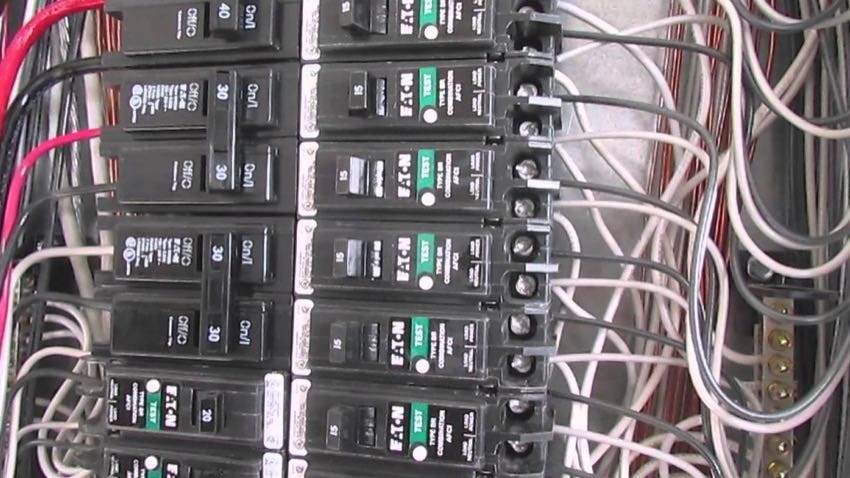
Bedrooms, living rooms, hallways, and many similar habitable rooms now require arc fault protection. You can satisfy this at the breaker with an AFCI or a combined GFCI/AFCI device, sometimes called dual function. Some clients ask for outlet-based AFCI because they like to see protection at the point of use. In practice, breaker-based AFCI is cleaner and reduces the chance of a mixed-protection tangle on shared circuits.
If a space needs both arc fault and ground fault, a dual function breaker is often the simplest answer. It keeps the reset in the panel and avoids a patchwork of bulky faceplates across the house. Where an older panel does not accept modern breakers, we sometimes pair a GFCI device with an upstream outlet-style AFCI, but that approach takes careful coordination and is rarely first choice.
Tamper resistant, weather resistant, and the details that make outlets last
Tamper-resistant (TR) receptacles have been standard in dwellings for years. The shutters inside the slots protect curious kids and distracted adults alike. Inspectors expect TR markings anywhere a child could reasonably access the receptacle, not just kid bedrooms. You do not want to argue that point.
Outdoors, the “WR” marking means weather resistant. These devices handle UV, heat, and corrosion better than standard indoor outlets. Match them with appropriately rated in-use covers and boxes. In coastal neighborhoods like Newport Beach or Dana Point, we typically use nylon faceplates and stainless screws so the finish stays clean. I have seen cast metal covers split after just two seasons near the water, while a good polycarbonate in-use cover with a deep hood will last years.
Box fill matters too. Add a USB combo device, GFCI body, and three splices in a shallow old-work box, and you create a failure point. In kitchens and baths, we often replace undersized boxes with deeper 22 or 25 cubic inch nail-ons or secure a deep retrofit box, then patch the wall. It adds a little labor today and saves you from overheated conductors and loose connections down the road.
USB and smart outlets: convenience without clutter
USB combo receptacles are a favorite in home offices, kitchens, and bedside locations. Here is how to pick them wisely. Look at total wattage and the split between USB-C and USB-A. A USB-C Power Delivery port rated for 30 to 45 watts will charge modern tablets and many laptops at useful speeds. If you see a combined 3.6 to 4.8 amp spec shared across two USB ports, that is fine for phones, not great for a family hub.
Choose reputable brands and pay attention to depth. Some USB combos are nearly 2 inches deep. In older plaster walls with shallow boxes, we plan for a box swap during outlet installation. Heat is the enemy of electronics. I avoid packing USB combos on circuits with heavy, continuous loads like a refrigerator on the same yoke. I also advise clients to keep a couple of standard outlets nearby for higher-draw adapters.
For smart outlets, decide what you actually want the outlet to do. Switched control of a lamp is simple. Energy monitoring for a space heater or treadmill takes a heavier duty smart receptacle rated for the load. If a client is building a larger smart home, it is cleaner to centralize control at the panel with smart breakers or to use a controllable plug-in module, rather than scatter ten different ecosystems through the house. A short consult about smart home wiring saves headaches later.
Kitchens done right
Kitchens in Orange County run the gamut from compact galley layouts in older condos to open chef’s spaces with a 10 foot island. Two small-appliance circuits at 20 amps each are the minimum for countertop receptacles. In practice, we often add a third run for islands, coffee stations, or to separate the microwave. That avoids nuisance trips when the espresso machine, toaster, and blender all fire together.
Every countertop outlet should be GFCI protected. Spacing matters. No point on the counter should be more than 24 inches from a https://ricardoxojy137.theglensecret.com/24-7-emergency-electrical-repair-work-orange-county receptacle, and island peninsulas bring their own placement rules. The physical location has to work with cabinetry and backsplash design. I like to walk the kitchen with clients and set purpose for each spot. One near the mixer shelf with a high-torque device, one with a USB combo at the charging drawer, enough standard outlets along the cooktop run, a discrete one for the under-cabinet lighting driver, and a dedicated circuit for the microwave if the appliance spec demands it.
Do not forget appliance placards. Many European dishwashers and built-in coffee systems specify a dedicated, accessible outlet. If the dishwasher is hardwired, the disconnect must be serviceable. Garbage disposals and instant hot water heaters count as continuous or high inrush loads, which affects both conductor sizing and breaker selection.
Bathrooms and laundry, small spaces with big loads
Bathrooms concentrate water and heat. A 20 amp dedicated branch circuit for receptacles is standard. I prefer to isolate receptacles from lighting and fans where possible, so a tripped GFCI does not plunge the room into darkness. When space or budget pushes us to share, a dual function breaker gets you protection without stacking devices on the wall.
Laundry rooms and areas need a 20 amp circuit as well, with GFCI protection. Even if the washer and gas dryer share the same 120 volt receptacle location, I keep the layout clean with a deep box, WR device if the space is damp, and an in-use cover if the alcove has no door. If you are adding an electric dryer or a heat pump dryer, that is a separate 240 volt circuit and a different conversation about panel capacity.
Garages and outdoors, where durability wins
Most garage receptacles require GFCI. If you are running new outlets along the perimeter, think ahead for tool benches, a second fridge, and the EV vehicle supply equipment clearance. Garages accumulate sawdust and moisture, so I like to mount receptacles at 48 inches to the centerline, use robust boxes, and spec WR/TR devices. For detached garages, voltage drop over long runs can be a factor. On anything past 60 to 75 feet of run length with typical loads, we upsize conductors to keep drop under 3 to 5 percent.
Outside, everything is WR and GFCI, with in-use covers that actually close on modern cords. Receptacles need to be on the front and back of the house and accessible at grade. Pool and spa areas have strict spacing rules along with equipotential bonding. If you are adding landscape or outdoor lighting installation, plan a separate low voltage transformer and keep receptacle circuits tidy and distinct from lighting branch circuits. Salt air near the coast means more frequent gasket replacement. I keep a small bin of extra cover gaskets on the service truck for this reason alone.
Living spaces, home offices, and where USB shines
Code wants to see receptacles placed so you are never more than 6 feet from one along a wall, with a device within 6 feet of any doorway. In living rooms and bedrooms, arc fault protection is the rule. If you are building a media wall, ask early about the TV mount height and whether you want a recessed media box with power and low voltage pass-through. Nothing ruins a clean installation faster than a power cord that cannot reach or a coax line pulled too tight.
For home offices, I favor at least two circuits. One feeds computers and monitors, the other handles heaters, printers, or chargers. It keeps noise off sensitive electronics and reduces nuisance tripping in winter when the foot warmer battles the laser printer. A couple of USB-C outlets near the desk cut adapter clutter. If you have a sit-stand desk, consider a grommet outlet or a dedicated floor box with a safety cover, installed with the furniture layout in mind.
Aluminum wiring, backstabs, and other pitfalls we still find
Homes from the late 1960s into the 1970s in some Orange County tracts used aluminum branch-circuit wiring for receptacles and lights. Aluminum moves with heat and can loosen under screws. If we find aluminum, we either use CO/ALR-rated devices or install copper pigtails with an approved connector and antioxidant compound. This is not a place to take shortcuts. I have opened plenty of warm, discolored outlets that looked fine on the faceplate.
Backstab connections on the rear of receptacles save time at install and cost clients reliability later. I move conductors to the side screws or use pressure plates that clamp more securely. Daisy chaining too many receptacles on one run shows up as dimming when a vacuum starts or a tripping breaker when a space heater clicks on. A short load calculation and a few added circuits clean that up.
Panel capacity, EV chargers, and what outlets mean for the heart of the system
Outlet work pulls you back to the panel. When someone asks for a dozen new receptacles in the garage, they are often also looking at EV charger installation. A Level 2 electric vehicle charger can draw 32 to 48 amps continuously, which stresses smaller 100 amp services. Before we start adding runs, we check the service size, main breaker rating, and available spaces. If the load calc is tight, we talk about an electrical panel upgrade. Moving from 100 to 200 amps with panel replacement is a common Orange County project, and it unlocks not only EV charging, but future kitchen appliances, heat pump HVAC, and more ambitious lighting installation.
If the budget or utility drop prevents a full upgrade, we can sometimes use a load management device or a dedicated EV Energy Management System that shares capacity between the EV and existing loads. That is a case-by-case discussion with the local authority having jurisdiction and the utility. The goal is the same. You do not want a nuisance trip every time the dryer and car charge at once.

Permits, inspections, and how projects actually run here
For simple one-for-one outlet replacement, permits are usually not required, though each city sets its own thresholds. As soon as you add new circuits, fish new cable through concealed spaces, or alter the service equipment, you are into permit territory. Orange County inspectors are fair and focused. They check box fill, device ratings, GFCI/AFCI coverage, grounding, conductor support and protection, and labeling. If you build trust with a clear plan and clean work, you pass the first time.
A typical outlet installation job with a few new circuits runs in one to three days. Patch and paint add time, so we coordinate with drywall and finish trades when needed. For commercial spaces, timing often revolves around occupancy and inspections. A commercial electrician Orange County crew brings the right labeling and documentation to keep fire inspections smooth, and they understand ADA heights and tamper-resistant expectations in public areas.
What it costs, and what drives the range
Costs depend on access, number of devices, finishes, and whether we are replacing or creating new locations. Parts for a quality standard TR duplex might run 3 to 6 dollars, a GFCI 20 to 30 dollars, and a good USB combo 25 to 50 dollars. Labor drives most of the total. Swapping an existing outlet at a clean box, tested and labeled, typically lands between 75 and 150 dollars per device when part of a group. Adding a new receptacle on an existing circuit in an open-wall area can be 150 to 300 dollars. Fishing a new 20 amp circuit through finished walls, with permits and patching, ranges from 450 to 1,000 dollars or more depending on length and obstacles.
Outside work with WR devices and in-use covers adds modestly. Coastal corrosion protection adds a bit more in material. Costs rise when the panel is full, the attic is tight, or you have plaster and lath walls. On the commercial side, hospitals and food service have stricter requirements and often higher-grade devices. We set expectations in writing and keep a small allowance for surprises behind the walls. Honest allowances prevent awkward change orders.
When to DIY and when to call a pro
Replacing a worn faceplate or moving a plug strip off the floor is easy. Swapping a standard outlet for a GFCI is a stretch project for a careful homeowner who understands line and load and knows how to test. As soon as a project adds circuits, touches aluminum conductors, involves bathroom or kitchen work, or opens the panel, you want a licensed electrician Orange County residents can trust. Local amendments, inspector preferences, and liability all come into play. If you have rentals or a storefront, insurance carriers expect documentation and code compliance.
If you are searching for an electrician near me Orange County, look at more than the ad. The best electrician Orange County homeowners find is the one who asks good questions, explains options plainly, and works clean. Affordable electrician Orange County does not mean lowest bid, it means the right scope at a fair number with no shortcuts that cost you later.
A quick hiring checklist you can use today
- Confirm license, insurance, and workers’ comp for an Orange County electrical contractor
- Ask who will perform the work and whether a journeyman will be on site
- Request a written scope with device counts, protection type, and patching responsibilities
- Clarify permit needs and who handles the inspection process
- Get a timeline with start date, daily schedule, and estimated duration
Residential electrician Orange County teams live on referrals. Top rated electrician Orange County reviews often mention clean work areas, on-time arrivals, and successful inspections. For commercial projects, ask about similar past jobs. A shop that understands medical grade receptacles or retail buildouts can save you rework.
Troubleshooting: what clients call about most
Tripping GFCIs near refrigerators or freezers in garages top the list. Motor start-up and mixed grounding in older garages cause nuisance trips. The fix could be as simple as separating runs or as involved as adding a dedicated circuit and relocating the device.

Dead outlets chained off a loose backstab connection is another frequent find. We re-terminate on side screws or replace the device with a pressure-plate style. Warm faceplates signal loose terminations or overloaded yokes. Buzzing on a dimmer tied to a receptacle circuit and a set of LED lamps tells you the mix is wrong. We map those circuits and straighten the load.
For outdoor outages after a storm, I start with every GFCI on the property, then the garage, then the panel. Labeling saves time. During emergency electrician Orange County calls at night, a good label can shave 20 minutes and keep a family comfortable. Same day electrician Orange County services get busy during heat waves when portable AC units plug into marginal circuits. We keep inventory of 20 amp TR/WR receptacles, quality GFCIs, and deep retrofit boxes to stabilize those homes fast. A 24 hour electrician Orange County can send needs both parts and judgment on the truck.
Case notes from around the county
In Irvine, newer homes have decent box sizing but often tight panels packed to the last space. A client wanted USB-C outlets at every bedside and a coffee station in the loft. We used a dual function breaker for the loft circuit, replaced shallow boxes with 25 cubic inch models, and selected 45 watt USB-C outlets for the coffee grinder and kettle. With the EV in the garage, panel space was scarce, so we installed a subpanel to serve the upstairs circuits. Clean, expandable, and inspector friendly.
Down in San Clemente, a salt-heavy breeze had corroded outdoor receptacle screws and turned an aluminum faceplate chalky. We swapped in WR/TR devices, nylon plates, stainless hardware, and deep in-use covers, then added a GFCI breaker to protect multiple spurs that had been fed from a cracked GFCI device. The inspector appreciated the labeling and the corrected box fill where an old multi-gang had been jammed.
A small deli in Costa Mesa needed counter receptacles for slicers and a steamer, along with a POS station. Commercial kitchens intensify the same kitchen rules. We pulled two 20 amp small-appliance circuits, added GFCI protection, used locking plugs for certain appliances, and set outlets at proper heights for stainless backsplashes. The commercial electrician Orange County inspector wanted clear circuit schedules and tamper resistant where customers could reach. It passed in one shot.
Future proofing: EVs, generators, and smart loads
Outlet conversations frequently lead to broader plans. An electric vehicle charger Orange County homeowners add might coincide with a garage rework, extra 120 volt outlets for tools, and lighting upgrades. If you plan to install a portable generator inlet, place it with weather protection, an interlock or transfer switch, and a dedicated inlet receptacle rated for the generator. Do not backfeed through a dryer outlet. A proper generator installation Orange County inspectors approve keeps lineworkers safe and protects your appliances.
Smart loads and whole house surge protection belong in the same conversation. Sensitive USB outlets and electronics inside your home survive better with panel-mounted surge protection. If you are scheduling an electrical inspection for a home sale, clean labeling and documentation of GFCI and AFCI coverage reduce repair addendums. For clients considering smart home wiring with distributed audio, shades, and network, we map 120 volt outlets and low voltage wiring together to keep transformers accessible and serviceable, not buried behind finish trim.
If your home has truly tired wiring with mixed metals, brittle insulation, and ungrounded circuits, whole home rewiring Orange County style can be staged room by room. You replace the panel, pull new homeruns, and rework each space during a planned sequence to limit disruption. The result is a safer home with outlets that meet your actual lifestyle.
The value of a local partner
Having a local electrician Orange County team that knows the building departments in Anaheim, Tustin, Laguna Niguel, and the rest of the county removes friction. They know which cities insist on metal boxes in certain settings, which allow NM cable in specific construction types, and which inspectors want to see clamps and labels a certain way. When Orange County electrical repair calls come in for a half-dead kitchen, that experience shortens the visit. When an office buildout needs twenty cubicle feeds and a tidy schedule of receptacles, that experience keeps the project on track.
Outlet installation is the face of your electrical system. Get the protection right, choose durable devices, size boxes properly, and match circuits to how you live and work. Tie it all back to a panel with room to grow, and your home or business stays both safer and easier to use. That level of planning and execution is what you should expect from a licensed electrician Orange County property owners can count on.